How Long Does a Roof Replacement Take?
One of the first questions homeowners ask when planning a roof replacement is: how long will this take? It is a practical concern. Your roof is being torn off and rebuilt. During that process, your home is exposed to the elements, your daily routine is disrupted, and there is noise, debris, and activity around your property.
The short answer
The short answer is that most residential roof replacements take between one and five days. But that range is wide because the timeline depends on many factors — the size of your roof, the materials being used, the complexity of the design, the weather, and the crew doing the work.
Let us break it all down so you know what to expect before, during, and after your roof replacement.
Average Timelines by Roof Size
The size of your roof is the single biggest factor in how long the job takes. Roofers typically measure roofs in “squares,” where one square equals 100 square feet of roof area.
- Small roof (up to 1,500 sq ft / 15 squares): 1 to 2 days
- Medium roof (1,500 to 3,000 sq ft / 15 to 30 squares): 2 to 3 days
- Large roof (3,000 to 5,000 sq ft / 30 to 50 squares): 3 to 4 days
- Very large or complex roof (5,000+ sq ft): 4 to 5 days or more
These are estimates for a standard asphalt shingle tear-off and replacement with an experienced crew. Other materials and circumstances can shift these numbers significantly.
How Roofing Material Affects the Timeline
Not all roofing materials are installed at the same speed. Some are faster to work with; others require more time, precision, and specialized skill.
Asphalt shingles are the most common residential roofing material and the fastest to install. A skilled crew can strip and reshingle a medium-sized roof in two to three days. Asphalt shingles come in large, easy-to-handle sections and do not require special tools for cutting or fastening.
Metal roofing takes longer. Metal panels must be measured, cut, and fastened with precision. Standing seam panels, in particular, require careful alignment and specialized seam-crimping tools. Expect metal roof installation to take one to two days longer than a comparable asphalt job.
Wood shingles or shakes require more handwork. Each piece must be individually placed and nailed, and spacing must be consistent for proper ventilation and water shedding. Wood roofs can add a day or more to the timeline.
Clay or concrete tiles are heavy, fragile, and require careful handling. The roof structure may need reinforcement to support the weight. Installation is methodical and slow. Tile roof replacements can take a week or more for an average-sized home.
Slate roofing is even more labor-intensive. Each slate tile is individually cut and hung on copper or stainless steel nails. A slate roof replacement on a medium home can take one to two weeks.
Synthetic or composite materials vary widely. Some are designed for quick installation similar to asphalt; others mimic the look of slate or tile and take correspondingly longer.
Roof Complexity Matters as Much as Size
Two roofs with the same square footage can take very different amounts of time depending on their design complexity.
Simple roof: A basic gable roof with two slopes, few penetrations, and easy access is the fastest to replace. Crews can work efficiently with minimal cutting and fitting.
Complex roof: A roof with multiple dormers, valleys, hips, skylights, chimneys, intersecting slopes, and varying pitches takes much longer. Every intersection, angle, and penetration requires custom flashing, careful cutting, and precise fitting. Complexity can easily add one to three days to the project.
Other complexity factors include:
- Number of layers to remove. If your existing roof has two layers of shingles, the tear-off takes roughly twice as long.
- Steep pitch. A steep roof is harder and slower to work on. Crews need safety equipment, and materials must be staged differently. Very steep roofs can add a day or more.
- Height. Multi-story homes require more time for material transport and safety setup.
- Access limitations. If the roof is difficult to reach with equipment — tight spaces between houses, landscaping obstacles, limited driveway access — everything takes longer.
The Step-by-Step Timeline
Understanding what happens during a roof replacement helps you understand where the time goes.
Day 0: Preparation (often done the day before)
The crew or a delivery truck drops off materials — shingles, underlayment, flashing, nails, and other supplies. These are typically staged on the roof or in your driveway. Dumpster delivery for debris removal may also happen on this day.
Day 1: Tear-off and Inspection
The first major task is removing the old roofing materials. The crew strips everything down to the deck — old shingles, underlayment, old flashing, and sometimes old drip edge. All debris goes into the dumpster.
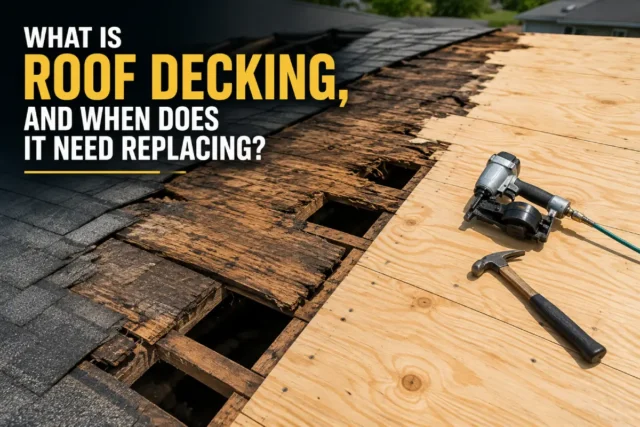
Once the deck is exposed, the crew inspects it for damage. Rotten, warped, or water-damaged decking is identified and marked. Damaged sections are cut out and replaced with new plywood or OSB. This step is critical — the new roof is only as good as the surface it sits on.
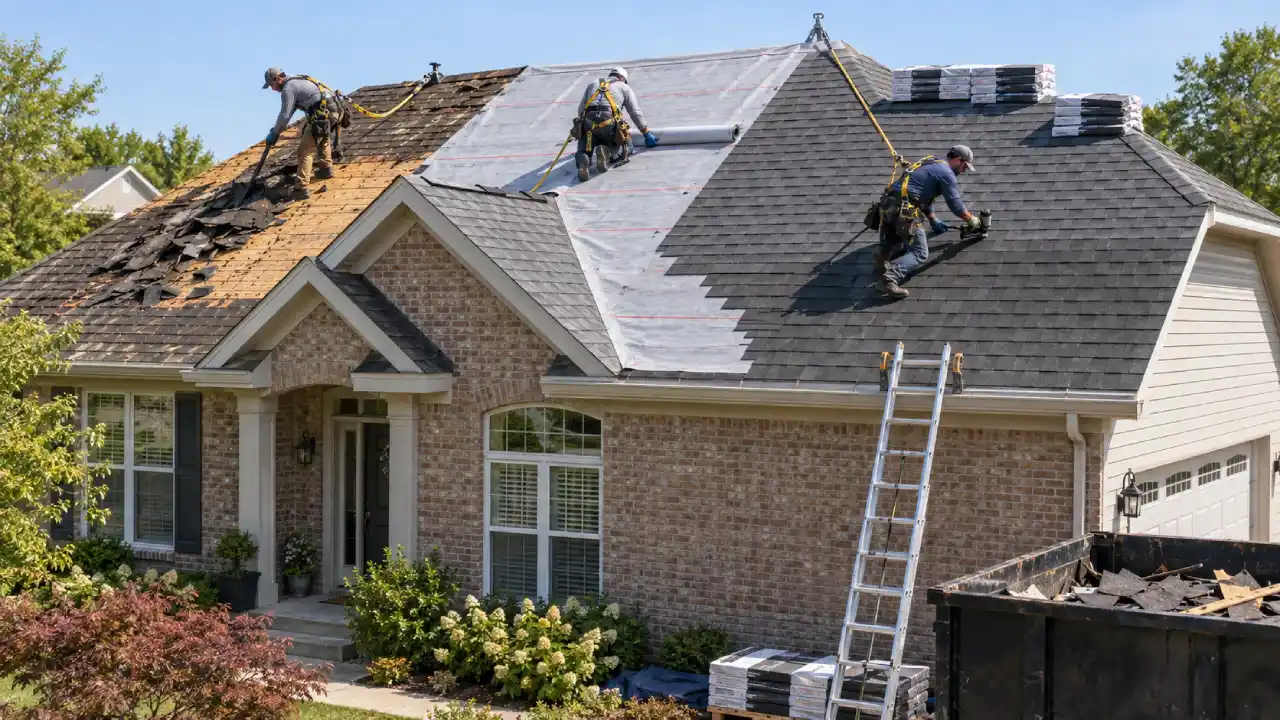
On most jobs, these stages do not happen across the whole roof at once. Crews usually strip, repair, and cover one section at a time, getting underlayment down on everything they have torn off before they leave each day. The stages below describe the order of the work; on a typical roof, they overlap across the first day or two rather than filling one day each.
Day 1 to 2: Underlayment and Flashing
With a clean, repaired deck, the crew installs the new roofing system from the bottom up:
- Drip edge is installed along the eaves and rakes to direct water away from the fascia.
- Ice and water shield is applied in vulnerable areas — eaves in cold climates, valleys, around penetrations, and along walls.
- Synthetic underlayment (or felt paper) is rolled out across the entire deck. This is the secondary water barrier that protects your home if water gets under the shingles.
- Flashing is installed around the chimney, walls, vents, and skylights.
This layer is the foundation of your new roof’s weather protection. It is installed carefully and methodically.
Day 2 to 3: Shingle or Material Installation
This is the most visible part of the job. The crew installs the roofing material starting from the bottom edge and working upward.
For asphalt shingles:
- Starter strip shingles go along the eaves
- Field shingles are installed in courses, overlapping as they go up
- Hip and ridge cap shingles are installed at the peaks
- Vent boots and other accessories are sealed and integrated
A large, experienced crew can install shingles very quickly. For other materials — metal, tile, slate — this phase takes proportionally longer.
Final Day: Cleanup and Inspection
Once the roofing material is installed, the crew does a thorough cleanup:
- All debris, old materials, and packaging are removed
- The grounds around the house are swept with magnetic rollers to pick up any fallen nails
- Gutters are cleared of any debris from the installation
- The crew does a final walkthrough to check their work
The foreman or project manager will typically do a final quality inspection and walk you through what was done.
What Can Cause Delays?
Even with good planning, some factors can push the timeline back.
Weather. This is the most common and most unpredictable cause of delays. Roofing cannot be done in rain, and certain materials should not be installed in extreme cold or high winds. If rain is in the forecast, the crew may pause work and cover the exposed areas with tarps. Some materials — like adhesives and sealants — require specific temperature ranges to cure properly.
A good roofing company builds weather contingency into their schedule and communicates with you if conditions change.
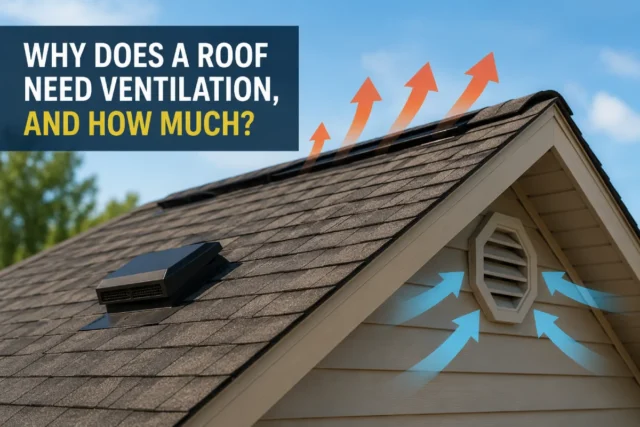
Unforeseen structural damage. Once the old roof comes off, hidden problems sometimes emerge. Extensive decking rot, damaged rafters, inadequate ventilation infrastructure, or pest damage can all add time and cost. While some decking repair is expected, major structural issues require additional work.
Material delivery delays. If specific materials are backordered or if a delivery is delayed, the project can stall. This is more common with specialty materials like custom-color metal, slate, or imported tile.
Change orders. If you decide to upgrade materials, add skylights, change the ventilation plan, or make other changes mid-project, the timeline will adjust accordingly.
Permit and inspection requirements. In some jurisdictions, the local building department requires inspections at various stages of the project — after tear-off, after underlayment, and after completion. Scheduling these inspections can sometimes introduce delays. Whether a permit is needed at all depends on where you live; see our guide to roof replacement permits.
How to Minimize Disruption
A roof replacement is inherently disruptive, but there are things you can do to make the process smoother for your household.
Clear the area around your house. Move vehicles out of the driveway. Put away patio furniture, grills, potted plants, and decorations near the house. Cover items in your attic that might be affected by dust and debris falling during tear-off.
Plan for noise. A roof replacement is loud — nail guns, compressors, shingle bundles being moved, and crew members working directly above your living space. If you work from home, consider working elsewhere for the days of peak activity. If you have pets that are sensitive to noise, plan accordingly.
Communicate with your contractor. Before work begins, confirm the schedule, the start time each day, and what to expect. Ask about their cleanup plan. Make sure they have your phone number in case they need to reach you during the day.
Protect landscaping. If you have valuable plants or flower beds near the house, let the crew know. They can place plywood or tarps to protect them from falling debris.
What About Weather During the Project?
This is one of the most common concerns homeowners have. What happens if it rains while your roof is being replaced?
Professional roofing crews are trained to manage this. At the end of each workday — or when weather threatens — they secure the roof with tarps and protective coverings. The underlayment layer provides temporary waterproofing once it is installed. Modern synthetic underlayment is designed to shed water effectively for a limited period.
The most vulnerable time is during tear-off before the underlayment is in place. Experienced crews will not tear off more roof than they can re-cover in the same day, precisely to manage weather risk.
If a major storm is expected, a responsible contractor will delay the start of the project rather than risk exposing your home.
After the Installation: What to Expect
Once the crew is done and the cleanup is complete, there are a few final steps:
- Final inspection. The contractor’s project manager inspects the completed work and confirms everything meets quality standards.
- Municipal inspection. If required by your local building department, an inspector will visit to verify code compliance. Your contractor usually handles scheduling this.
- Warranty registration. Your contractor should register the manufacturer warranty for your roofing materials. You should also receive a workmanship warranty from the contractor.
- Payment. Final payment is typically due upon completion, once you are satisfied with the result, any required final inspection has passed, and you have lien waivers covering the work and materials. Our guide to what should be in a roofing contract explains why the waivers matter.
The Bottom Line
For most homeowners, a roof replacement takes one to three days for the actual installation, with some preparation beforehand and cleanup afterward. Larger, more complex roofs, specialty materials, and weather delays can extend the timeline.
The best way to get an accurate estimate for your specific project is to have a professional roofing contractor assess your home. They can evaluate the size, complexity, and condition of your roof and give you a realistic timeline — along with a plan to minimize disruption to your daily life.
A roof replacement is a significant project, but with an experienced crew and good communication, it moves quickly. Before you know it, you will have a brand-new roof overhead and decades of reliable protection for your home.