How Long Do Asphalt Shingles Last?
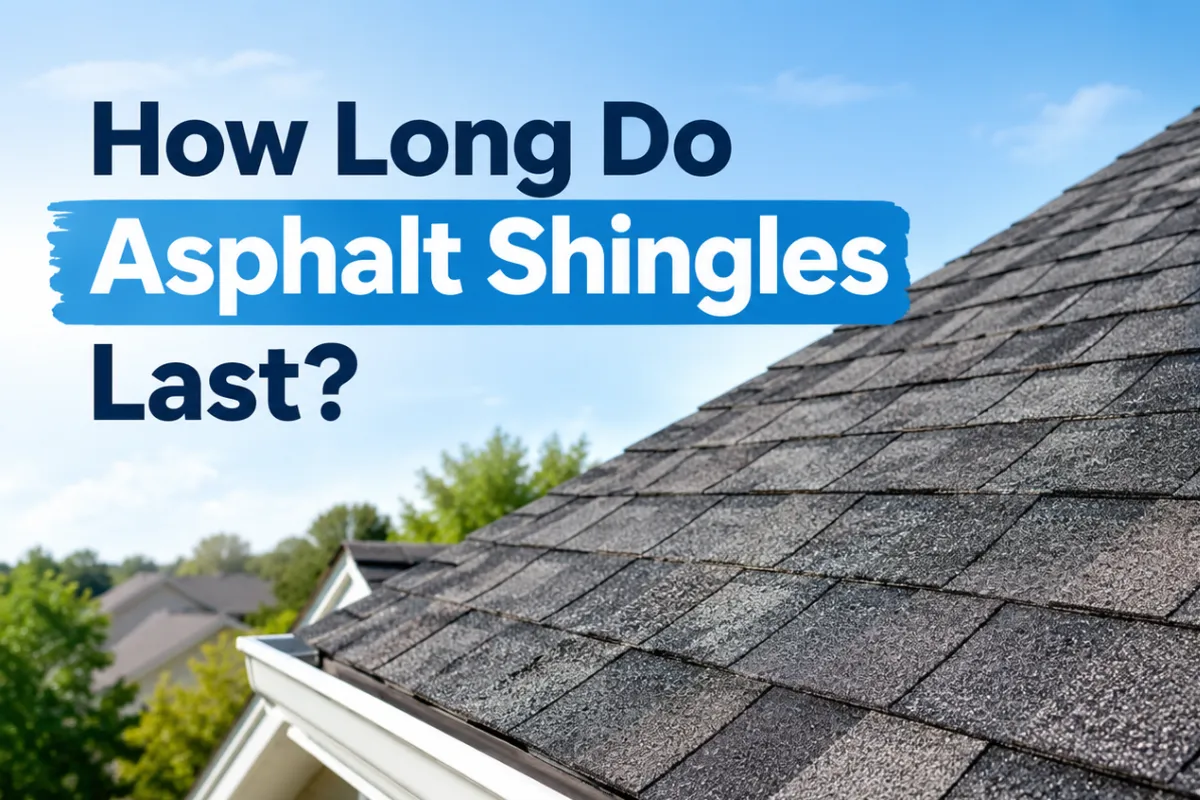
Asphalt shingles are the most widely used roofing material in many countries, and for good reason. They are affordable, relatively straightforward to install, and available in a wide range of styles and colors. But one of the most common questions homeowners have about asphalt shingles is also one of the most important: how long will they actually last?
The honest answer is that it varies. An asphalt shingle roof does not have a single guaranteed expiration date. Its lifespan depends on the type of shingle, the quality of installation, the local climate, and how well the roof has been maintained over the years.
Understanding these factors helps you set realistic expectations and make better decisions about your roof.
The Typical Lifespan Range
Most asphalt shingle roofs last somewhere between 15 and 30 years. That is a wide range, and where your roof falls within it depends on the specific product and the conditions it has been exposed to.
Three-tab shingles
Three-tab shingles, which are the most basic and affordable type, typically last between 15 and 20 years. They have a flat, uniform appearance and a single layer of material. Because they are thinner and less durable than premium options, they are more susceptible to wind damage and wear over time.
Architectural shingles
Architectural shingles (also called dimensional or laminated shingles) are thicker, heavier, and more durable. They are made with multiple layers of material bonded together, which gives them a textured appearance and better resistance to wind and weather. Architectural shingles generally last between 25 and 30 years, and some premium products carry warranties that reflect this longer expected life.
Premium or designer shingles
Premium or designer shingles are the top tier of asphalt roofing. These products are designed to mimic the appearance of slate or wood shakes and are built for maximum durability. Depending on the manufacturer and the specific product, premium shingles can last 30 years or more under favorable conditions.
Manufacturer warranties and actual performance are not the same thing. A “lifetime” shingle warranty is a limited warranty, typically with full coverage only for an initial period, so read what it actually promises; our guide to what a roofing warranty covers explains the fine print. A warranty may cover the product for a certain number of years, but the shingles’ real-world lifespan depends on how they were installed and what they have been exposed to.
What Shortens Shingle Life
Several factors can cause asphalt shingles to deteriorate faster than expected.
The factor people miss
Poor attic ventilation is one of the most significant and most overlooked factors. When an attic traps excessive heat in summer, the underside of the roof deck becomes extremely hot. This heat bakes the shingles from below, drying out the oils that keep the asphalt flexible. Shingles that lose their flexibility become brittle, crack, and curl prematurely. In winter, poor ventilation allows moisture to accumulate, which can damage both the shingles and the roof structure beneath.
Extreme sun exposure accelerates the aging process. In hot, sunny climates, shingles are under constant UV bombardment, which breaks down the material over time. According to the Insurance Institute for Business & Home Safety, south-facing roof slopes receive more direct radiation and reach higher maximum temperatures than north-facing slopes.
Severe weather takes a cumulative toll. High winds can lift shingles and break their adhesive seals. Hail can crack the surface and dislodge protective granules. Heavy snow and ice create freeze-thaw stress on the material. Each weather event adds to the overall wear, and over many seasons, this compounds into significant deterioration.
Improper installation can shorten shingle life dramatically, regardless of the product quality. Shingles nailed in the wrong location, installed over inadequate underlayment, or applied in cold weather when the seal strip cannot activate properly are all more likely to fail early. This is why the quality of the roofer matters as much as the quality of the shingle.
Multiple roof layers also reduce lifespan. When new shingles are installed over an existing layer, the trapped heat between layers accelerates aging, and the inability to address underlying deck damage shortens the effective life of the new shingles.
What Helps Shingles Last Longer
The good news is that homeowners have meaningful control over how long their asphalt shingles last.
Attic ventilation and insulation
Proper attic ventilation and insulation are the most impactful factors you can influence. A well-ventilated attic keeps roof temperatures stable and prevents moisture buildup. Ventilation can also affect warranty coverage. Owens Corning states that its standard shingle warranties do not cover damage caused by inadequate roof ventilation and that its extended system warranties require the roof to be fully ventilated to code.
Regular maintenance
Regular maintenance makes a significant difference. Cleaning gutters, removing debris from the roof surface, and replacing damaged shingles promptly all prevent small problems from spreading. A roof that is well maintained will consistently outlast one that is ignored, even if both roofs were installed at the same time with the same materials.
Prompt repairs after storms also help. Replacing a few missing or cracked shingles quickly prevents water from reaching the underlayment and decking, which protects the entire roofing system from cascading damage.
Quality installation
Quality installation from the start is perhaps the most important factor of all. Working with a qualified roofer who follows manufacturer guidelines and installs the product correctly gives the shingles the best chance of reaching their full expected lifespan.
How to Gauge Your Roof’s Remaining Life
If your asphalt shingle roof is already in place and you are wondering how much life it has left, there are several indicators to watch for.
Granule loss
Granule loss is one of the first signs of aging. As shingles wear, the mineral granules on their surface begin to loosen and wash into the gutters. Some granule loss is normal, but heavy accumulation — especially if you can see bare patches on the shingles — indicates the protective coating is failing.
Curling, cracking, or brittleness
Curling, cracking, or brittleness are signs that the shingles have dried out and lost their flexibility. These are common in the later years of a shingle’s life and indicate that the material is approaching the end of its serviceable period.
Frequent repairs
Frequent repairs can also signal that the roof is nearing the end. If you find yourself replacing shingles more often, or if multiple areas of the roof are showing wear, the system as a whole may be aging out rather than suffering isolated damage.
A professional roof inspection provides the most reliable assessment of remaining lifespan. A qualified roofer can evaluate the shingles, underlayment, flashing, and ventilation as a complete system and give you an informed estimate of how much useful life the roof has left.
Planning for Replacement
Knowing that asphalt shingles do not last forever, it makes sense to plan for replacement before the roof fails. A roof that is replaced proactively — before leaks develop — is less disruptive and less expensive than one that is replaced reactively after water has already caused interior damage.
If your roof is approaching 20 years old and showing signs of wear, start budgeting and researching your options, beginning with the signs that a roof is due for replacement. Even if the roof has a few good years left, being financially and practically prepared for replacement is far better than being caught off guard.
Asphalt shingles remain one of the best values in residential roofing. They provide reliable protection at a reasonable cost. Understanding how long they last — and what you can do to help them reach their full potential — puts you in the best position to protect your home effectively.