Why Are My Roof Shingles Curling, Cracking, or Missing?
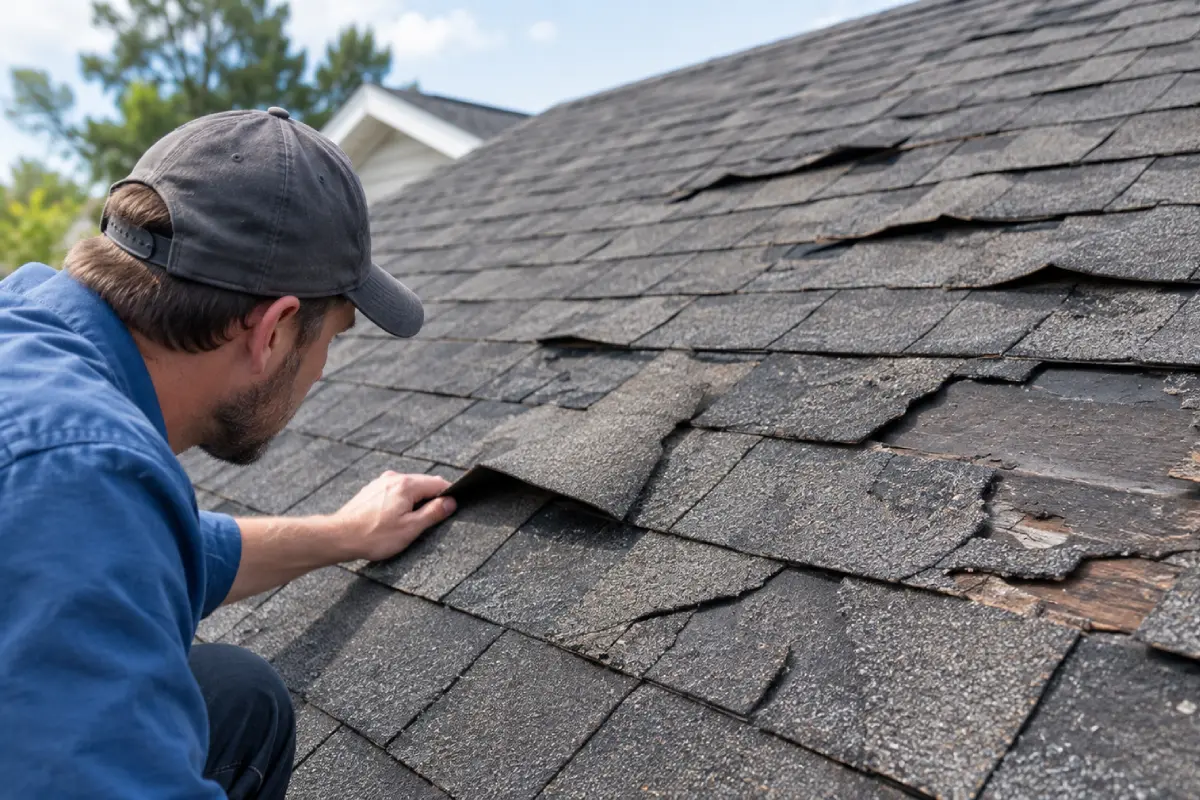
When shingles on your roof start to visibly change shape — curling at the edges, developing cracks, or disappearing after a storm — it is a clear signal that something is wrong. Damaged shingles are more than a surface-level cosmetic issue. They are your roof’s way of telling you that its protective barrier is weakening and that the structure beneath may be at risk.
Understanding why shingles deteriorate helps you respond appropriately. The causes range from simple aging to installation errors to underlying ventilation problems, and each one requires a different approach.
This article explains the most common reasons shingles curl, crack, or go missing, what the damage means, and what homeowners should know about addressing it.
What Shingles Do for Your Roof
Before looking at what causes damage, it helps to understand the role shingles play. Shingles are the outermost layer of your roofing system. They shed water, protect the underlayment and decking beneath from sun and weather, and serve as the first line of defense against everything from light rain to severe storms.
When shingles are in good condition, they overlap tightly and seal together to keep moisture out. When they curl, crack, or fall away, gaps open up in that barrier. Even a small gap is enough for water to reach the layers below — and once moisture gets beneath the shingles, it can damage the underlayment, rot the roof deck, and eventually leak into your home.
Why Shingles Curl
Curling occurs when shingles begin to lift at their edges or cup inward. There are several reasons this happens.
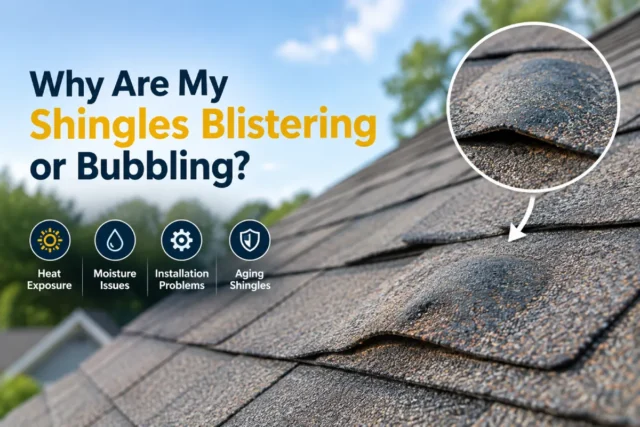
- Age and weathering are the most common cause. Asphalt shingles have a natural lifespan, and as they age, the oils in the material gradually dry out. This makes the shingles brittle and causes them to lose their flexibility. As they harden, edges begin to lift and curl. On most roofs, this is a gradual process that becomes more noticeable in the later years of the shingle’s life.
- Poor attic ventilation is another significant factor that many homeowners overlook. When an attic does not have adequate airflow, heat builds up beneath the roof deck during warm months. This trapped heat essentially bakes the shingles from below, accelerating their aging and causing them to dry out and curl prematurely. In winter, poor ventilation allows moisture to accumulate, which can also contribute to shingle deterioration.
- Moisture trapped beneath the shingles can cause curling as well. If the underlayment was not installed correctly or if previous layers of roofing material were left in place during a reroofing project, moisture can become trapped. That moisture pushes upward against the shingles, causing them to warp and lift over time.
Curling shingles are concerning because they no longer lay flat against the roof. Wind can catch under curled edges and tear shingles off entirely. Water can also blow in beneath them during storms. If you notice curling across a large portion of your roof, the issue likely goes beyond individual shingle replacement and may point to ventilation or installation problems that need to be addressed.
Why Shingles Crack
Cracking in shingles usually appears as visible splits or fractures running across the surface. Unlike curling, which often relates to moisture or ventilation, cracking is most frequently caused by thermal stress.
Shingles expand and contract with temperature changes throughout the day and across seasons. Over years of repeated cycling between hot and cold, the material can develop stress fractures. This is especially common in regions with significant temperature swings — hot days followed by cool nights, or freeze-thaw cycles during transitional seasons.
- Hail impact is another cause of cracking. Hailstones can fracture shingles on impact, sometimes creating cracks that are not immediately obvious from the ground. After a hailstorm, it is worth having the roof checked for storm damage, because cracked shingles from hail damage may not show visible leaks right away but will deteriorate faster and allow water in eventually.
- Manufacturer defects, while less common, can also cause premature cracking. If shingles were manufactured with inconsistent material composition, they may crack well before the end of their expected lifespan. This is harder for a homeowner to diagnose on their own, but a roofing professional can often identify defective shingles by the pattern and timing of the cracking, which matters if you intend to make a warranty claim.
Cracked shingles lose their ability to shed water effectively. Water can seep directly through the cracks and reach the underlayment. In freezing temperatures, water that enters cracks can freeze and expand, widening the damage further.
Why Shingles Go Missing
Missing shingles are the most dramatic and immediately noticeable form of roof damage. A bare patch on your roof is exposed to direct rain, and the underlayment beneath — which is designed as a secondary barrier, not a primary one — can only provide limited protection for a limited time.
- Wind damage is the leading cause of missing shingles. Strong gusts can lift shingles that have lost their adhesive seal and tear them away from the roof. This is especially common with shingles that are already aging, curling, or improperly nailed. Once the seal strip breaks, the shingle is vulnerable to being peeled off by the next strong wind.
- Improper installation contributes significantly to shingles blowing off. Shingles that were nailed in the wrong position, under-nailed, or installed in cold weather — when the self-seal strip does not activate properly — are far more likely to detach during storms. If your roof loses shingles frequently despite being relatively new, installation quality may be the underlying issue.
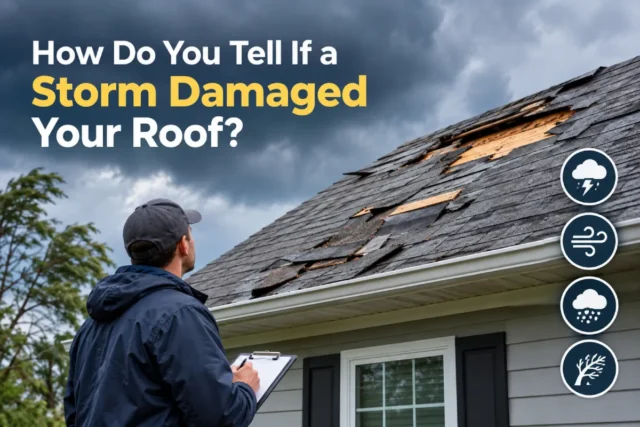
- Storm debris can also dislodge shingles. Branches, hail, or windborne objects can strike the roof and knock shingles loose or break them apart. After any severe weather event, it is worth doing a visual check from the ground to see if any bare spots are visible.
Missing shingles should be replaced as quickly as possible. Every day a section of your roof remains exposed increases the chance of water reaching the decking and causing interior damage.
What to Do When You Notice Damaged Shingles
If you spot curling, cracking, or missing shingles — whether by looking up from your yard, noticing granules in your gutters, or finding a stain on your ceiling — the next step is to understand the extent of the problem.
A few damaged shingles in a small area may be a straightforward repair. However, if the damage is widespread, it often indicates an underlying issue such as poor ventilation, aging materials across the entire roof, or an installation problem. In those cases, replacing individual shingles is a temporary fix at best.
Missing and curling shingles also differ in urgency. A missing shingle leaves the layers beneath it exposed, so protect the area promptly; after storm damage, the Insurance Information Institute advises taking reasonable steps to protect your property from further damage and saving receipts for what you spend. Curling says more about the roof’s age: the National Roof Certification and Inspection Association describes curling on shingles older than 12 years as a sign they are in the second half of their life, and curling across more than 10 to 15 percent of the roof as a sign the roof has entered its final phase. That is the point to get repair or replacement advice rather than waiting for the first leak.
Stay off the roof
Avoid the temptation to inspect the damage by climbing onto the roof yourself, especially if the roof is steep, wet, or visibly deteriorated. A qualified roofer can safely assess the situation, identify the root cause, and recommend whether a repair or a more comprehensive solution is appropriate.
Preventing Shingle Damage
While aging and severe weather are beyond your control, there are steps that help shingles last as long as possible.
Ensuring your attic has proper ventilation reduces the heat buildup that accelerates shingle deterioration from below. Keeping trees trimmed back from the roof limits debris accumulation and reduces the risk of branch damage during storms. Having your roof professionally inspected every few years, particularly as it ages, helps catch early signs of curling or cracking before they spread.
When shingles do need replacement, make sure the work is done by a qualified professional who follows manufacturer guidelines for nailing, alignment, and weather conditions during installation. Proper installation is one of the strongest factors in how long shingles perform before problems develop.
Shingles that are curling, cracking, or missing are not just a cosmetic concern — they are a functional failure in your roof’s primary defense system. Paying attention to these signs and responding to them promptly is one of the most important things a homeowner can do to protect their property.