How Long Does a Roof Last? 7 Things That Affect Its Lifespan
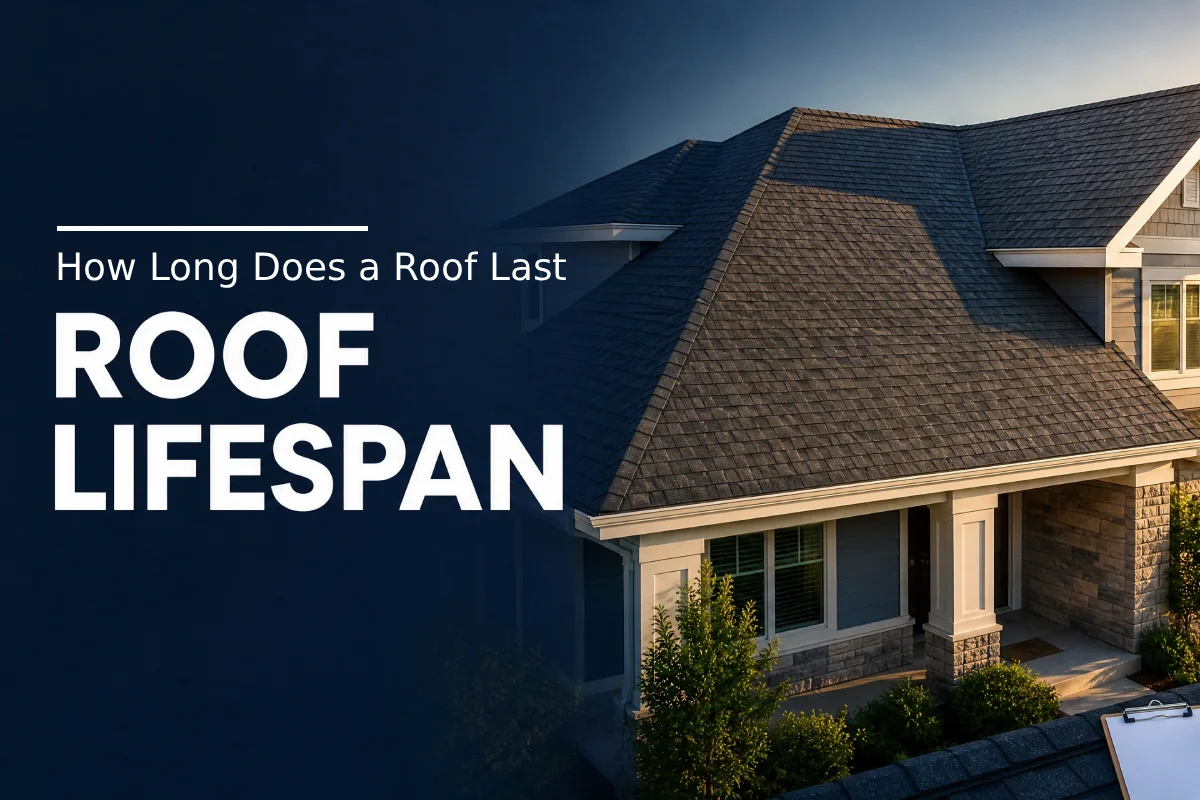
When homeowners ask how long a roof should last, the honest answer is that it depends. A roof’s lifespan is not determined by a single factor but by a combination of materials, installation quality, climate, maintenance, and a few variables that are easy to overlook. Two roofs made from the same materials can have dramatically different lifespans depending on how they were installed, where they are located, and how well they have been maintained.
Understanding what affects your roof’s longevity helps you make informed decisions — whether you are choosing materials for a new roof, maintaining an existing one, or trying to gauge how much life your current roof has left.
1. The Type of Roofing Material
The material on your roof is the single biggest factor in how long it lasts. Different materials have vastly different expected lifespans.
- Asphalt shingles, the most common roofing material in many regions, typically last between 15 and 30 years depending on the quality of the shingle. Basic three-tab shingles tend to fall at 15 to 20 years, while architectural shingles typically reach 25 to 30.
- Metal roofing generally lasts 40 to 70 years. It is highly resistant to weather and requires relatively little maintenance, though it can be dented by hail and may need recoating over time.
- Clay and concrete tiles are among the longest-lasting options, often exceeding 50 years. They are extremely durable but heavy, and the supporting structure must be engineered to handle their weight.
- Slate roofing can last 75 to over 100 years. It is exceptionally durable but also expensive, heavy, and requires specialized installation.
- Wood shingles and shakes typically last 20 to 40 years, depending on the type of wood and climate conditions. They require more maintenance than many other materials and are more vulnerable to fire and moisture.
- Low-slope membranes such as EPDM, TPO, and modified bitumen are generally quoted at around 20 to 30 years, and on a flat roof the quality of the installation moves the result more than the choice of membrane.
These ranges are general estimates. The actual lifespan of any roof depends heavily on the other factors listed below.
2. Quality of Installation
Even the best roofing materials will fail prematurely if they are not installed correctly. Installation quality affects everything from how well shingles shed water to how securely flashing is sealed to whether the roof can handle thermal expansion and contraction.
What shortens a roof most
Common installation errors include improper nailing — nails driven at the wrong angle, in the wrong position, or not driven deeply enough — which can cause shingles to lift or blow off in moderate winds. Incorrectly installed flashing around chimneys, vents, and valleys is another frequent problem that leads to leaks well before the roof material itself should have failed.
Installation in the wrong weather conditions can also shorten a roof’s life. Asphalt shingles, for example, rely on a self-sealing adhesive strip that activates in warm temperatures. Shingles installed in cold weather may not seal properly, leaving them vulnerable to wind damage.
Choosing a qualified, experienced roofer is one of the most important decisions you can make for your roof’s longevity. A properly installed roof of average materials will almost always outlast a poorly installed roof of premium materials.
3. Climate and Weather Exposure
The environment your roof lives in has a profound impact on how quickly it deteriorates.
Sun and Heat
Intense sun and heat accelerate the aging of asphalt shingles by drying out the oils in the material, causing them to become brittle and crack. Homes in hot, sunny climates may see shingle lifespans at the lower end of the expected range. Orientation matters within a single roof too. At its research farm in Richburg, South Carolina, the Insurance Institute for Business & Home Safety has measured south-facing slopes reaching higher temperatures than north-facing ones; on one test roof, the south slope saw a temperature change of at least 25°F within five minutes 623 times in a year, against 39 times on the north slope. IBHS notes that frequent, rapid temperature swings affect asphalt shingles.
Rainfall and Humidity
Heavy rainfall and high humidity keep roofing materials damp for longer periods, promoting moss and algae growth and increasing the risk of moisture damage to the roof deck and underlayment.
Freeze-thaw cycles
Freeze-thaw cycles are particularly destructive. Water that seeps into small cracks or gaps freezes and expands, gradually widening those openings. Over many cycles, this process can crack shingles, separate flashing, and damage the roof deck.
Wind
High winds stress the entire roofing system, lifting shingles, breaking seals, and driving rain under materials that are designed to shed water in only one direction.
Hail
Hail can cause immediate and severe damage to shingles, cracking surfaces and dislodging protective granules. Regions that experience frequent hailstorms often see shorter roof lifespans unless impact-resistant materials, such as shingles rated Class 4 under the UL 2218 impact test, are used.
No homeowner can control the climate, but understanding how your local conditions affect your roof helps you choose appropriate materials and set realistic expectations for maintenance and replacement.
4. Ventilation and Insulation
The conditions beneath your roof matter just as much as the conditions above it. Attic ventilation and insulation directly affect how long roofing materials last.
A poorly ventilated attic traps heat in summer, which bakes the shingles from below and accelerates their deterioration. In winter, poor ventilation allows moisture from the living space to condense on the underside of the roof deck, promoting wood rot and mold growth.
Heat escaping into the attic through air leaks and thin insulation causes ice dams in cold climates, which can damage shingles, underlayment, and decking.
Proper ventilation involves a balanced system of intake vents at the soffits and exhaust vents at or near the ridge, allowing continuous airflow through the attic space. Combined with adequate insulation, this system keeps the roof deck dry and at a stable temperature, significantly extending the life of the roofing materials above it.
5. Maintenance and Timely Repairs
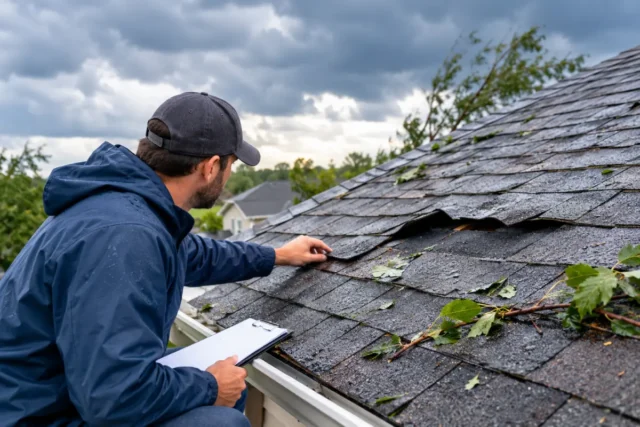
A roof that is inspected regularly and maintained properly will consistently outlast one that is ignored. This does not mean the roof needs constant attention — it means that small issues are addressed before they become large ones.
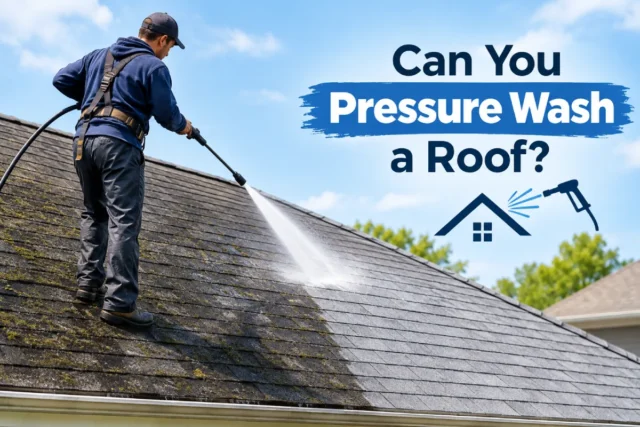
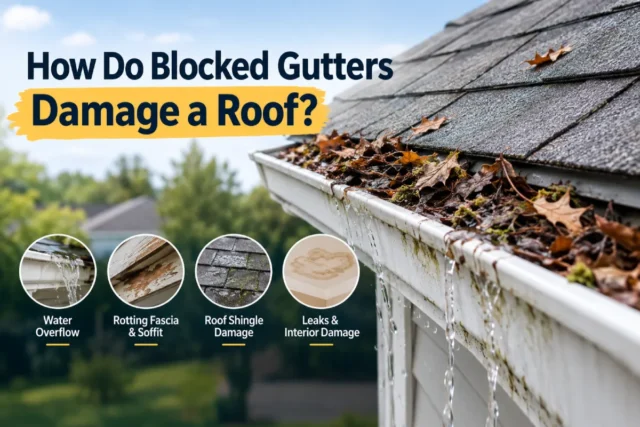
Cleaning gutters, replacing damaged shingles promptly, resealing flashing when it begins to deteriorate, and removing moss or debris accumulation all contribute to a longer roof life. These are not major undertakings, but they prevent the slow cascade of damage that shortens a roof’s functional years.
A single missing shingle left unrepaired can allow water to saturate the underlayment and decking in that area. That localized damage can spread to surrounding materials, and what started as a simple shingle replacement becomes a section of decking repair. This pattern — small problems becoming large ones through neglect — is one of the most common reasons roofs fail before their expected lifespan.
6. Number of Roof Layers
Building codes based on the International Residential Code allow new shingles to be installed over one existing layer rather than tearing off the old material first, but not over two or more layers, and local rules can be stricter. While this saves time and money upfront, it comes at a cost to longevity.
A second layer of shingles adds weight to the roof structure, traps heat between the layers, and makes it harder to detect damage in the layer beneath. It also prevents the new shingles from laying perfectly flat, which can reduce their ability to shed water effectively.
Roofs with multiple layers usually have shorter lifespans than those with a single, properly installed layer. When it is time for a full replacement, removing all existing layers down to the deck and starting fresh gives the new roof the best chance of reaching its full expected lifespan.
7. Surrounding Environment
The immediate environment around your home influences how long your roof lasts in ways that are easy to underestimate.
Overhanging trees
Overhanging trees drop leaves, branches, and organic debris onto the roof. This material traps moisture, promotes moss growth, and clogs gutters. Branches that touch the roof surface scrape away shingle granules during windstorms. Keeping trees trimmed back from the roof reduces all of these risks.
Proximity to saltwater
Proximity to saltwater can accelerate the corrosion of metal roofing components, flashing, and fasteners. Homes near the coast may need more frequent inspection and maintenance of metal elements.
Pollution and industrial exposure
Pollution and industrial exposure can also affect roofing materials over time. While this is less common for most residential properties, homes near industrial areas may experience faster material degradation from airborne contaminants.
Conclusion
No roof lasts forever, but the difference between a roof that reaches its full potential and one that fails early usually comes down to the factors listed above. You may not be able to change your climate or the age of your existing roof, but you can choose quality materials, ensure proper installation, maintain good attic ventilation, keep up with basic maintenance, and address problems promptly.
Knowing what affects your roof’s lifespan also helps you plan. If your roof is approaching the end of its expected life, regular inspections become more important, and budgeting for replacement becomes a practical consideration. A roof that is replaced on your schedule is always preferable to one that fails unexpectedly during a storm.
The most valuable thing a homeowner can do is treat the roof as a system — not just the shingles on top, but the ventilation, insulation, flashing, gutters, and structure that all work together. When every component is functioning well, the roof as a whole lasts longer and performs better.