How to Clean Roof Moss Without Damaging Your Shingles
Moss on a roof is a common sight in areas with damp climates, frequent shade, or nearby trees. While it may give a home a quaint, rustic appearance, moss is not harmless. It holds moisture against the roof surface, lifts shingles as it grows, and accelerates the deterioration of roofing materials. Over time, a moss-covered roof is far more likely to develop leaks and structural damage than a clean one.
The mistake that costs you shingles
The challenge is that removing moss incorrectly can cause as much harm as leaving it in place. Aggressive cleaning methods — particularly pressure washing — can strip granules from shingles, break their surface, and significantly shorten their lifespan. Knowing how to remove moss safely is just as important as deciding to remove it at all.
Why Moss Grows on Roofs
Moss thrives in environments that are cool, damp, and shaded. Roofs that face north or are surrounded by overhanging trees are especially vulnerable because they receive less direct sunlight and stay moist for longer after rain or dew.
Moss does not need soil to grow. It anchors itself to the roof surface using tiny root-like structures that grip onto shingles. Once established, it absorbs and holds water like a sponge. This persistent moisture sits against the roofing material, gradually breaking down the bonds between shingle layers and loosening the protective granules that shield shingles from UV damage.
If left unchecked, moss can grow thick enough to lift shingles upward, creating gaps where water enters during rain. By that stage, the damage extends beyond the shingles themselves to the underlayment and roof decking below.
What You Should Not Do
Before discussing safe removal methods, it is important to understand what to avoid, because some commonly suggested approaches can seriously damage your roof.
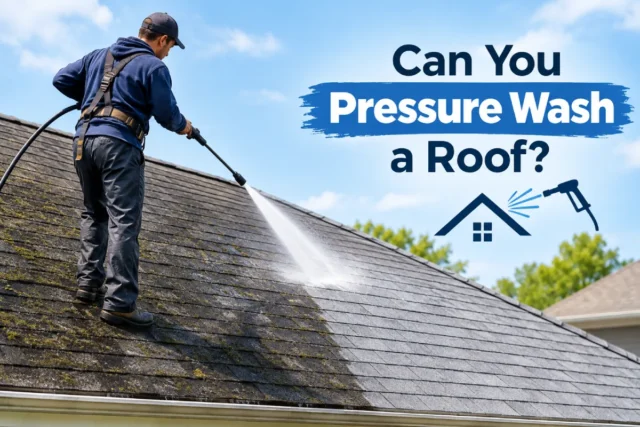
Do not pressure wash your roof. Pressure washing is the single most damaging cleaning method for asphalt shingles. The high-powered water stream strips away the granule coating that protects shingles from sunlight and weather. Once those granules are gone, the shingles deteriorate rapidly. A pressure-washed roof may look clean, but it has likely lost years of functional life in the process.
Do not scrape moss off with hard tools. Using a stiff-bristle brush, scraper, or any rigid tool to physically remove moss can gouge, crack, or tear shingles. Even gentle scraping can dislodge granules and damage the shingle surface.
Do not use undiluted bleach, or leave bleach sitting on the roof. A bleach solution is a recognized treatment, but a measured one: the Asphalt Roofing Manufacturers Association (ARMA) recommends equal parts laundry-strength liquid chlorine bleach and water, left for 15 to 20 minutes and then rinsed off thoroughly with low-pressure water. Stronger mixes, or solution left to pool, can discolor shingles and corrode metal flashing and gutters, and the runoff will damage plants below unless you protect them first.
A Safe Approach to Moss Removal
The safest way to remove moss from a roof involves a combination of a gentle chemical treatment and patient waiting.
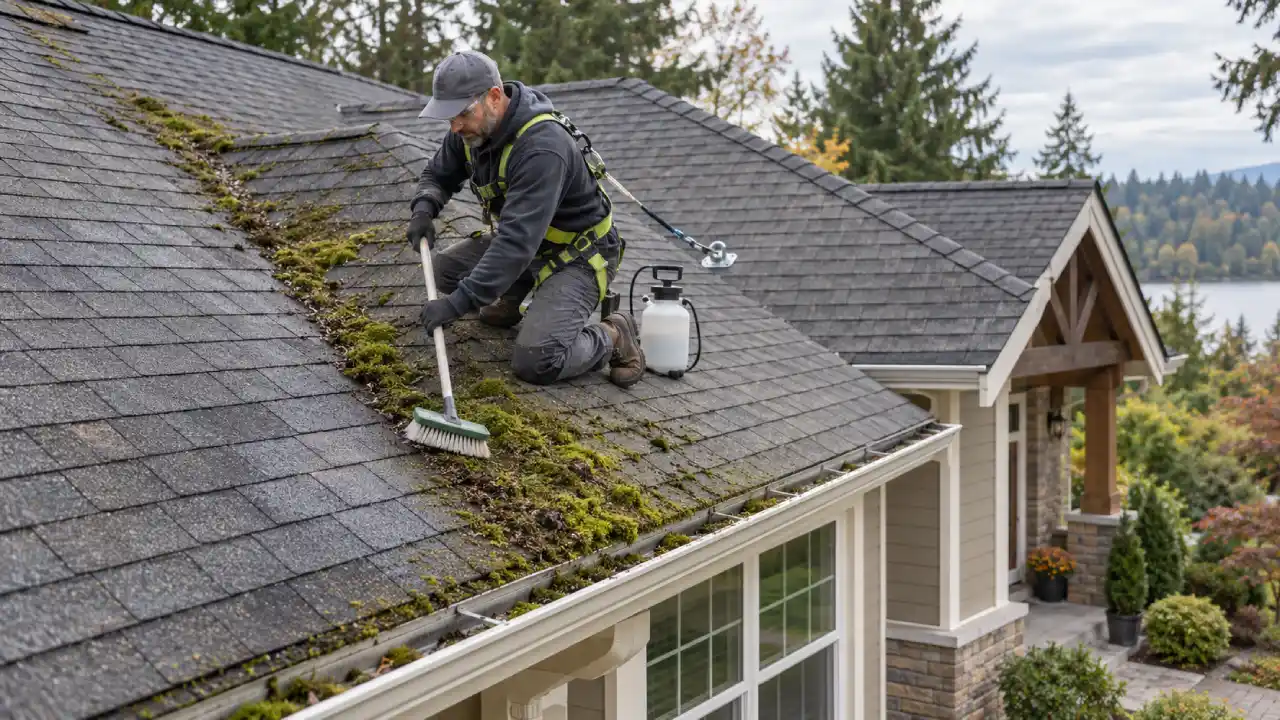
Apply a moss-killing treatment. Commercial moss removal products designed for roofing use are widely available. These typically contain ingredients like zinc sulfate or potassium salts of fatty acids, which kill moss without being overly harsh on shingles. Apply the product according to the manufacturer’s instructions, usually by spraying it evenly over the affected areas. If you use the ARMA bleach mix instead, stick to the dwell time and thorough rinse described above.
Many of these products are designed to work slowly. After application, the moss gradually dies and dries out over a period of days or weeks. This is intentional — the slow process avoids the need for aggressive physical removal.
Let the moss die and loosen naturally. Once the treatment has taken effect, the dead moss will begin to dry, turn brown, and detach from the shingles on its own. Rain and wind will help wash away the loosened material over time. This process may take several weeks, but it is far safer for your roof than trying to scrub or blast the moss off immediately.
Gently remove remaining debris. After the moss has died and loosened, you can use a leaf blower, a soft-bristle broom, or a low-pressure garden hose to gently rinse away any remaining residue. Work from the top of the roof downward, and use light strokes. The goal is to remove what has already loosened — not to force anything off the surface. Heavy growth often needs a second treatment before all of it lets go.
Preventing Moss from Returning
Removing existing moss is only half the problem. If the conditions that allowed it to grow remain unchanged, moss will return — sometimes within a single season.
Trim back overhanging tree branches to allow more sunlight to reach the roof. Increased sunlight and airflow help the roof dry faster after rain, creating conditions that are less favorable for moss growth.
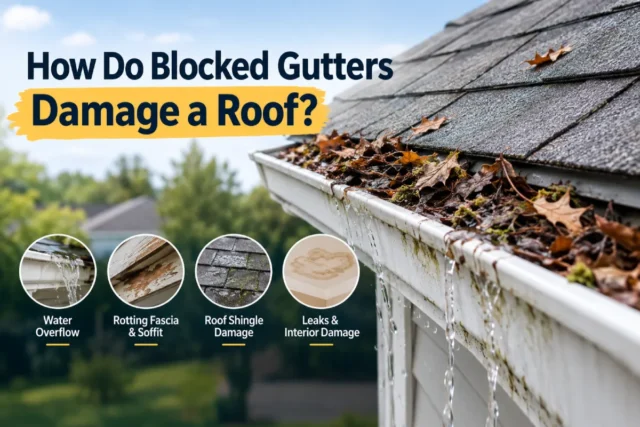
Keep the roof clear of debris. Leaves, twigs, and other organic material that accumulate on the roof trap moisture and provide a foothold for moss. Regularly clearing debris — especially in autumn — reduces the conditions moss needs to establish itself.
Plan for zinc or copper protection when the roof is replaced. Rain washing over zinc or copper strips near the ridge carries trace amounts of metal down the slope and slows new moss and algae growth, and algae-resistant shingles made with copper granules are widely available. ARMA advises against adding strips to an existing roof, though: fitting them means either exposed nails that can leak over time or breaking the shingles’ seal to slide them underneath, which invites wind damage. On the roof you have now, an occasional moss treatment is the safer choice.
When to Call a Professional
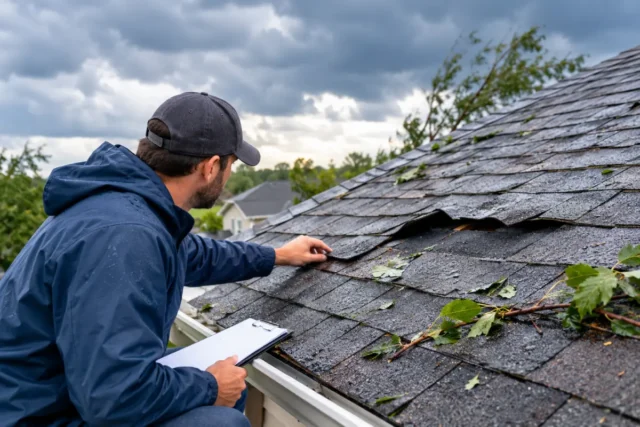
If moss covers a large portion of your roof, has been growing for a long time, or has visibly lifted shingles, a professional assessment is the safest approach. A roofing professional can determine whether the moss has caused underlying damage and recommend an appropriate cleaning method that accounts for the specific condition of your roof.
Professionals also have access to commercial-grade treatments and the experience to apply them evenly and safely. A mossy roof is slippery even when dry, and more so once it has been sprayed. For steep roofs, multi-story homes, or roofs in fragile condition, professional cleaning is strongly preferable to attempting the work yourself.
Roofs with extensive moss growth may also need repairs beyond just cleaning. If shingles have been lifted or the underlayment has been compromised, cleaning alone will not solve the moisture problem — the damaged materials need to be addressed as well.
The Bottom Line
Moss on a roof is not just an aesthetic issue. It is a slow-acting threat to the integrity of your roofing system. Removing it safely requires patience and the right approach — gentle chemical treatment followed by natural loosening, not aggressive scrubbing or pressure washing.
Once the moss is cleared, taking steps to prevent its return — more sunlight, less debris, and, when the roof is eventually replaced, zinc or copper protection — will help your roof stay clean and functional for years. When in doubt, especially with large or stubborn moss growth, a professional roofer can handle the job without risking damage to your shingles.