Signs of Roof Damage You Should Never Ignore
Your roof handles everything nature throws at it — rain, wind, sun, snow, and hail — day after day, season after season. Over time, that constant exposure takes a toll. Most roof damage develops gradually, and homeowners often miss the early warning signs because the changes are subtle or appear in places they rarely look.
Ignoring roof damage does not make it go away. Small problems left unattended tend to grow into expensive ones. Water intrusion, structural weakening, mold growth, and damaged insulation are all consequences that begin with a sign someone overlooked.
Knowing what to watch for can save you from major repair costs and protect the overall health of your home.
Water Stains on Ceilings and Walls
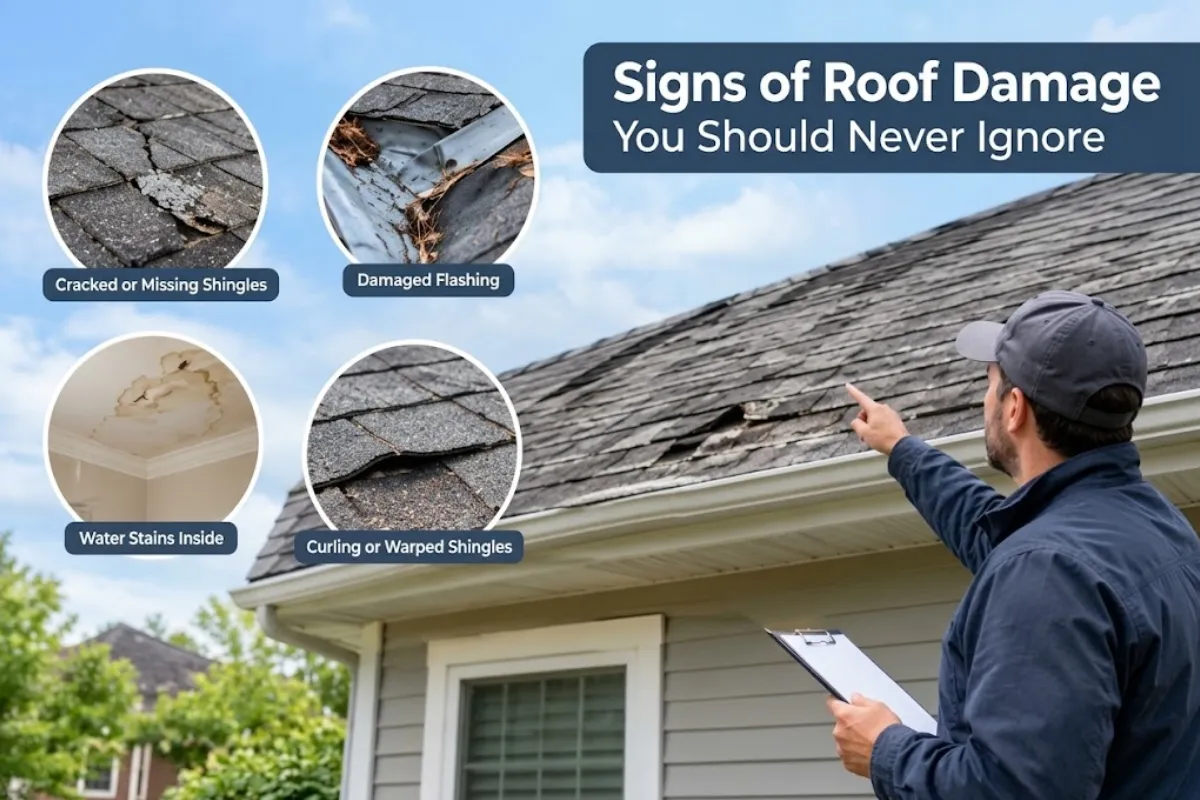
One of the most visible and commonly ignored signs of roof damage is a water stain on an interior ceiling or wall. These stains typically appear as yellowish, brownish, or darkened patches that may grow slowly over time.
A small stain might seem harmless — just a cosmetic blemish — but it usually means water has already penetrated the roof system and traveled through layers of material before reaching the visible surface. By the time a stain appears indoors, the leak may have been active for weeks or even months.
Stains near light fixtures, around ceiling fans, or along upper walls close to the roofline deserve particular attention. These areas often indicate that water is entering through damaged flashing, worn sealant, or compromised shingles somewhere above. If a stain darkens or expands after rain, the source is almost certainly an active leak that needs professional attention.
Missing, Cracked, or Lifted Shingles
Shingles are the outermost layer of protection your roof has. When they are damaged or missing, the underlayment and roof decking beneath are directly exposed to rain and moisture.
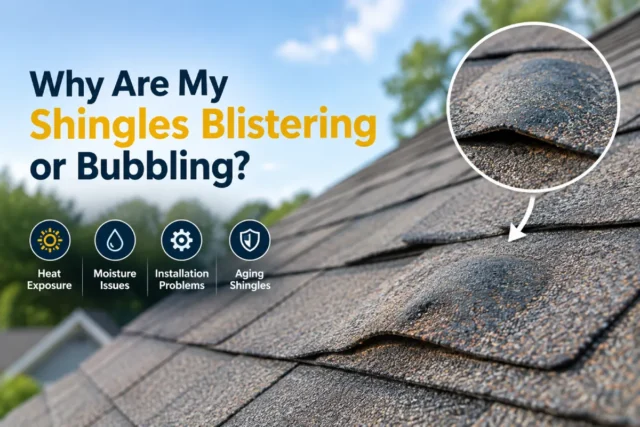
Missing shingles are sometimes visible from the ground, especially after high winds or storms. You may notice bare patches or uneven areas along the roofline. Cracked or curled shingles are harder to spot from a distance but equally concerning, as they indicate aging, weather damage, or poor ventilation in the attic.
Lifted shingles are another easy-to-miss problem. Wind can peel shingles up just enough to break their seal without tearing them off entirely. When this happens, water can get underneath during the next rain and slowly saturate the material below. Over time, this hidden moisture can rot the roof deck and lead to leaks that appear far from the original damage.
Damaged or Deteriorated Flashing
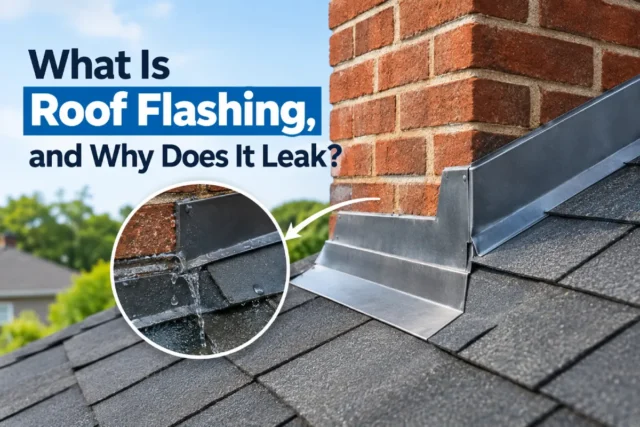
Flashing is the thin metal material installed around roof penetrations such as chimneys, skylights, vents, and where different roof surfaces meet. Its job is to direct water away from these vulnerable joints. When flashing fails, water has a direct path into your home.
Flashing can deteriorate due to age, rust, temperature fluctuations, or poor installation. It can also lift away from the roof surface if the sealant beneath it breaks down. On older roofs, the caulking around flashing may shrink or crack, leaving small gaps that let water in during heavy rain.
Because flashing is often tucked into tight corners and edges, damage may not be obvious from ground level. However, if you notice stains on the ceiling near a chimney or skylight, damaged flashing is one of the first things a professional will check. Catching flashing problems early is important because they tend to worsen steadily once they begin.
Clogged or Damaged Gutters
Gutters play a critical role in moving water off your roof and away from your home’s foundation. When they are clogged, sagging, or pulling away from the fascia board, water cannot drain properly — and that creates problems for both your roof and your home’s structure.
Clogged gutters cause water to back up under the edge of the roof. This can rot the fascia board, damage soffit panels, and allow moisture to reach the roof deck. In winter, a gutter packed with debris and ice also holds meltwater at the roof edge, though the ice dams that force water under shingles start with heat escaping into the attic rather than with the gutters.
Sagging gutters or gutters that have separated from the fascia indicate that the mounting hardware has weakened, possibly due to the weight of trapped debris and standing water. Overflowing gutters also stain siding and erode the ground near the foundation, creating secondary problems beyond the roof itself.
Keeping gutters clean and properly attached is one of the simplest and most effective ways to prevent roof damage caused by poor water drainage.
Moss, Algae, or Dark Streaks on the Roof Surface
Moss and algae growth on a roof may look like a purely cosmetic issue, but it often signals deeper problems. Moss holds moisture against the roof surface, and that trapped moisture accelerates the deterioration of shingles and other roofing materials. Over time, moss can lift shingles and create gaps where water enters.
Algae appears as dark streaks or discoloration, commonly on north-facing roof slopes that receive less sunlight. The Asphalt Roofing Manufacturers Association treats algae streaks as largely cosmetic, so they are not a reason for repairs on their own. They do show where the roof stays damp longest, which is where moss tends to take hold.
In regions with humid climates or frequent shade from nearby trees, moss and algae growth is especially common. If you notice either spreading across your roof, it is worth having the area assessed to determine whether the growth is causing material damage beneath the surface. If you clean it, avoid pressure washing, which strips the granules off shingles; our guide to removing roof moss safely covers the methods that do no harm.
Granules Collecting in Gutters
Asphalt shingles are coated with small mineral granules that protect them from sunlight and weather. As shingles age, these granules begin to loosen and wash into the gutters. A small amount of granule loss is normal, but heavy accumulation — especially if you notice bare or discolored spots on the shingles themselves — suggests the roof is losing its protective layer.
Without granules, shingles become vulnerable to UV damage and deteriorate much faster. They may crack, curl, or become brittle well before the end of their expected lifespan. Checking your gutters periodically for granule buildup is a simple way to gauge how your shingles are holding up.
After major hailstorms, granule loss can be sudden and severe. If you notice a large amount of granules in the gutters following a storm, it is a strong indicator that the shingles took significant impact damage and may need professional evaluation.
A Sagging Roofline or Ceiling
A ridge that dips, a slope with a visible hollow, or a top-floor ceiling that has started to bow is the one sign on this list that points to the structure rather than the covering. It usually means rafters, trusses, or decking have been weakened, most often by moisture over a long period. Unlike the other signs here, it should not wait for a convenient time: stay off that part of the roof and have it assessed promptly. Our guide to telling whether a roof is sagging explains what to look for from the ground and in the attic.
Why You Should Act Quickly
Roof damage follows a simple pattern: the longer it goes unaddressed, the worse it gets. A missing shingle today becomes a soaked roof deck in a few months. A small flashing gap becomes a mold problem by the end of the season. Water that enters the roof structure does not just damage the roof — it can compromise insulation, stain drywall, warp wood framing, and even affect electrical wiring.
Why acting early pays
The cost of repairing a small area of damaged shingles or resealing flashing is minor compared to replacing water-damaged decking, treating mold, or restoring interior finishes. Acting on warning signs early is always the more affordable and less disruptive choice.
What Homeowners Can Do
You do not need to climb onto your roof to stay informed about its condition. Regular visual inspections from ground level, checking ceilings and walls for new stains, keeping gutters clean, and looking at the roof after major weather events are all simple habits that make a significant difference.
When you do notice any of the signs discussed above, the safest next step is to contact a qualified roofing professional for an inspection. They can confirm whether the issue is minor or whether deeper damage exists, and they can recommend appropriate repairs before the problem grows.
Your roof does not need constant attention, but it does benefit from awareness. The homeowners who avoid major roof problems are usually the ones who pay attention to small signs early.