How to Prepare Your Roof for Winter
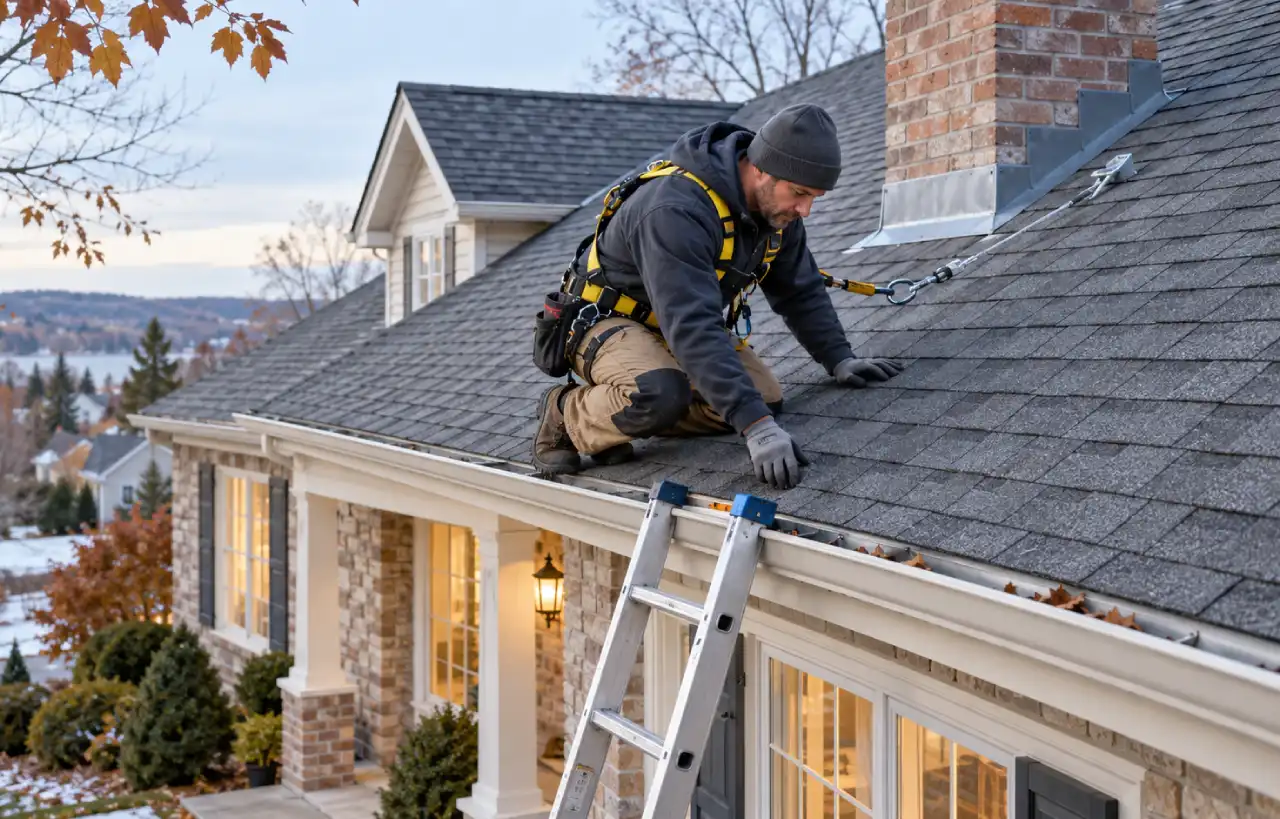
Winter is the hardest season on a roof. Freezing temperatures, snow accumulation, ice formation, and relentless moisture all work against the materials that protect your home. A roof that enters winter with existing vulnerabilities — a cracked shingle, clogged gutter, or failed flashing — is far more likely to develop leaks and structural problems once cold weather sets in.
Preparing your roof before winter arrives is one of the most practical things a homeowner can do. Most of the preparation involves simple inspection and maintenance tasks that catch small issues before winter weather turns them into big ones. The work does not need to be complicated, but it does need to happen before the first freeze.
Clean and Inspect the Gutters
Gutters are your roof’s drainage system, and they need to be clear to function properly. Autumn leaves, twigs, and debris accumulate quickly, and clogged gutters are one of the leading contributors to winter roof problems.
When gutters cannot drain, water backs up and pools at the roof’s edge. In freezing temperatures, that standing water turns to ice, and a gutter packed with ice keeps the roof edge colder still. Gutters do not cause an ice dam — a ridge of ice at the eaves that blocks drainage and forces water under the shingles — because ice dams start with heat escaping into the attic. A frozen, blocked gutter does make one build faster and drain more slowly.
Clean your gutters thoroughly after the leaves have finished falling. Check that downspouts are unobstructed and that water flows freely through the entire system. While you are cleaning, look for gutters that are sagging, pulling away from the fascia, or showing signs of rust and deterioration. Repair or replace damaged sections before winter arrives.
Check for Damaged or Missing Shingles
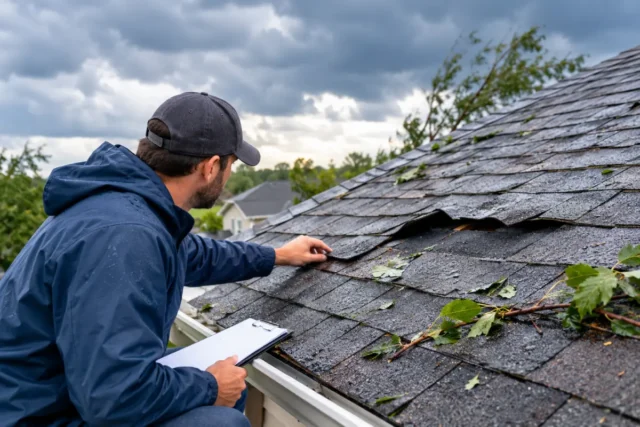
Shingles that are cracked, curling, or missing are open entry points for water. In winter, the stakes are higher because water that enters through a damaged shingle can freeze inside the roof structure, expand, and cause additional damage.
Walk around your home and look up at the roof from ground level. Scan for any shingles that look visibly different from the surrounding area — bare spots, lifted edges, or uneven sections. If you notice damage, have it repaired before winter. Replacing a few shingles now is far easier and less expensive than dealing with water damage inside your home later in the season.
Even if your shingles look intact from the ground, consider their age. Shingles that are near the end of their expected lifespan are more brittle and more likely to fail under the stress of winter weather. If you are unsure about the condition of your roof, a professional inspection in early autumn provides a clear assessment.
Inspect Flashing and Sealant
Flashing — the metal strips installed around chimneys, vents, skylights, and roof joints — is one of the most vulnerable parts of any roofing system. Over time, the sealant beneath flashing dries out, cracks, and separates from the roof surface. Temperature changes accelerate this deterioration, and winter’s freeze-thaw cycles make it worse.
From ground level, check the flashing around your chimney, any vents or pipes that penetrate the roof, and the edges of skylights. Look for flashing that appears bent, rusted, or pulled away from the surface. If you can see gaps between the flashing and the roof, water will find its way in during winter rain or snowmelt.
Resealing or repairing flashing before winter is a straightforward task for a professional roofer and can prevent some of the most common winter leaks.
Ensure Proper Attic Insulation
Attic insulation plays a direct role in how your roof handles winter. Insulation helps maintain a consistent temperature on the roof deck, which prevents the uneven melting and refreezing that creates ice dams.
When warm air from the living space below rises into a poorly insulated attic, it heats the underside of the roof. This causes snow on the roof to melt from below, even when the outdoor temperature is below freezing. The meltwater runs down toward the colder eaves, where it refreezes and forms ice dams.
Adequate insulation keeps the attic temperature closer to the outdoor temperature, which means snow melts evenly and drains properly rather than refreezing at the edges. Check your attic insulation before winter. If it is thin, compressed, or missing in certain areas, sealing the air leaks into the attic first and then adding insulation are among the most effective steps you can take to prevent winter roof problems.
Check Attic Ventilation
Insulation and ventilation work together. Even with good insulation, an attic needs proper airflow to prevent moisture buildup and temperature imbalances.
Vents at the soffits and ridge allow cool, dry air to enter the attic from outside and warm, moist air to escape. This airflow keeps the roof deck dry and at a stable temperature. Without it, moisture from the living space below can condense on the underside of the roof, leading to mold growth, wood rot, and — over time — structural damage.
Before winter, check that attic vents are not blocked by insulation, stored items, or debris. Soffit vents in particular are commonly covered over during insulation upgrades, which defeats their purpose. Check, too, that bathroom fans, kitchen exhausts, and the dryer vent discharge outdoors rather than into the attic. A fan pushing warm, moist air into the roof space is a common cause of winter attic condensation, which is easily mistaken for a leak. Ensuring clear airflow paths through the attic helps your roof stay dry and structurally sound through the winter months.
Trim Overhanging Branches
Branches that hang over your roof pose several winter risks. Snow and ice accumulation on branches increases their weight, making them more likely to break and fall onto the roof. Even smaller branches that scrape against shingles during windstorms can dislodge granules and damage the shingle surface.
Trim back any branches that are close to or overhanging the roof. A general guideline is to keep branches at least a few feet away from the roof surface. This reduces the risk of impact damage and also limits the amount of debris that accumulates on the roof and in the gutters.
Address Existing Leaks
If you have any active leaks or suspect a leak based on ceiling stains, musty odors, or damp insulation, have the source identified and repaired before winter. A leak that is manageable in dry weather can become a serious problem when snow begins to accumulate and melt on the roof.
Water intrusion during winter is particularly damaging because the water can freeze inside the structure, expand, and cause materials to crack and separate. What starts as a small leak in autumn can become a significant interior water damage issue by mid-winter.
Before the cold sets in
Do not assume a small stain will hold through the season. Have it investigated and resolved while conditions are still favorable for roof work.
A Seasonal Investment That Pays Off
Preparing your roof for winter does not require a large investment of time or money, but it does require attention. Cleaning the gutters, checking shingles and flashing, ensuring proper insulation and ventilation, and trimming nearby branches are all manageable tasks that collectively make a significant difference.
A roof that enters winter in good condition is far better equipped to handle snow, ice, and freezing temperatures without developing problems. The few hours you spend on preparation in autumn can save you from emergency repairs, interior damage, and the stress of dealing with a roofing problem in the middle of a cold season.